Making everysnakebite
survivable.
S-CONET unites clinicians, researchers, and communities across sub-Saharan Africa to close the gap between a bite and life-saving care.
Who We Are
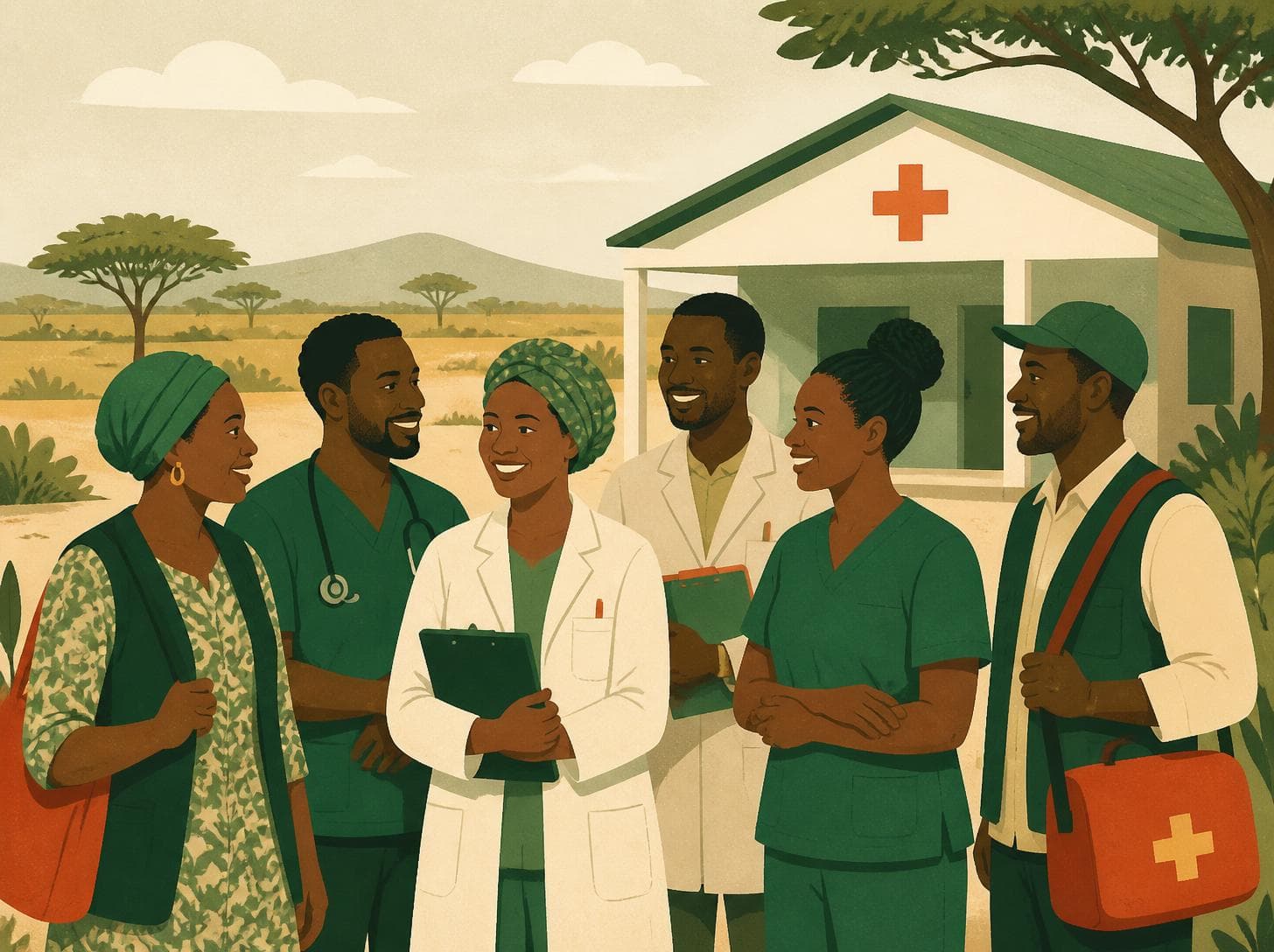
Every five minutes, someone in sub-Saharan Africa is bitten by a snake — and too often, the outcome depends on where they live, not how serious the bite is. S-CONET brings together clinicians, researchers, governments, academic institutions, and the communities most at risk to close that gap: better prevention, faster diagnosis, stronger treatment, and antivenoms that actually reach the people who need them.
We believe a snakebite should never cost someone their life, their limb, or their livelihood.
To ensure equitable provision of qualitative healthcare services in the prevention and treatment of snakebite envenoming across sub-Saharan Africa.
To provide practical, innovative and sustainable solutions to the public health challenges of snakebite envenoming across sub-Saharan Africa by focusing on training, research, antivenom supply, advocacy and community engagement/enlightenment.
How We Get There
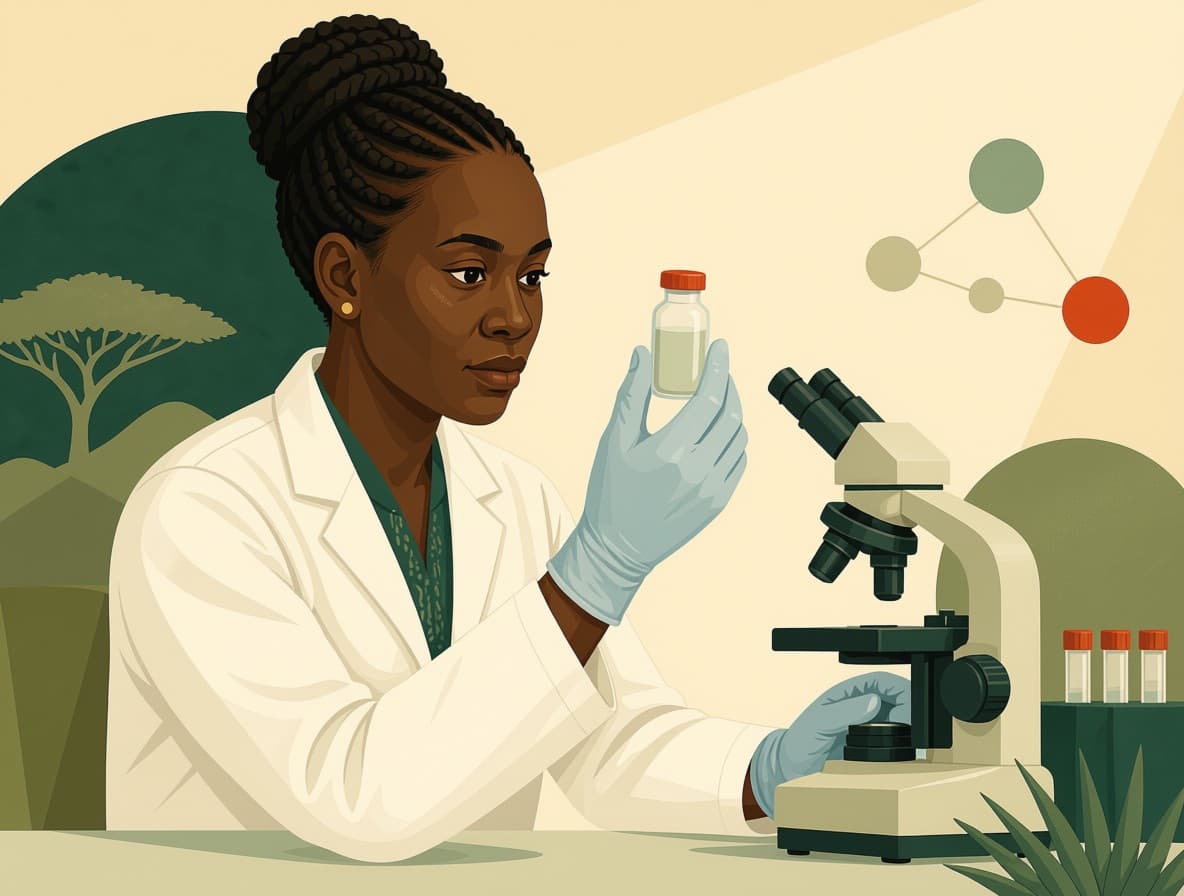
Training
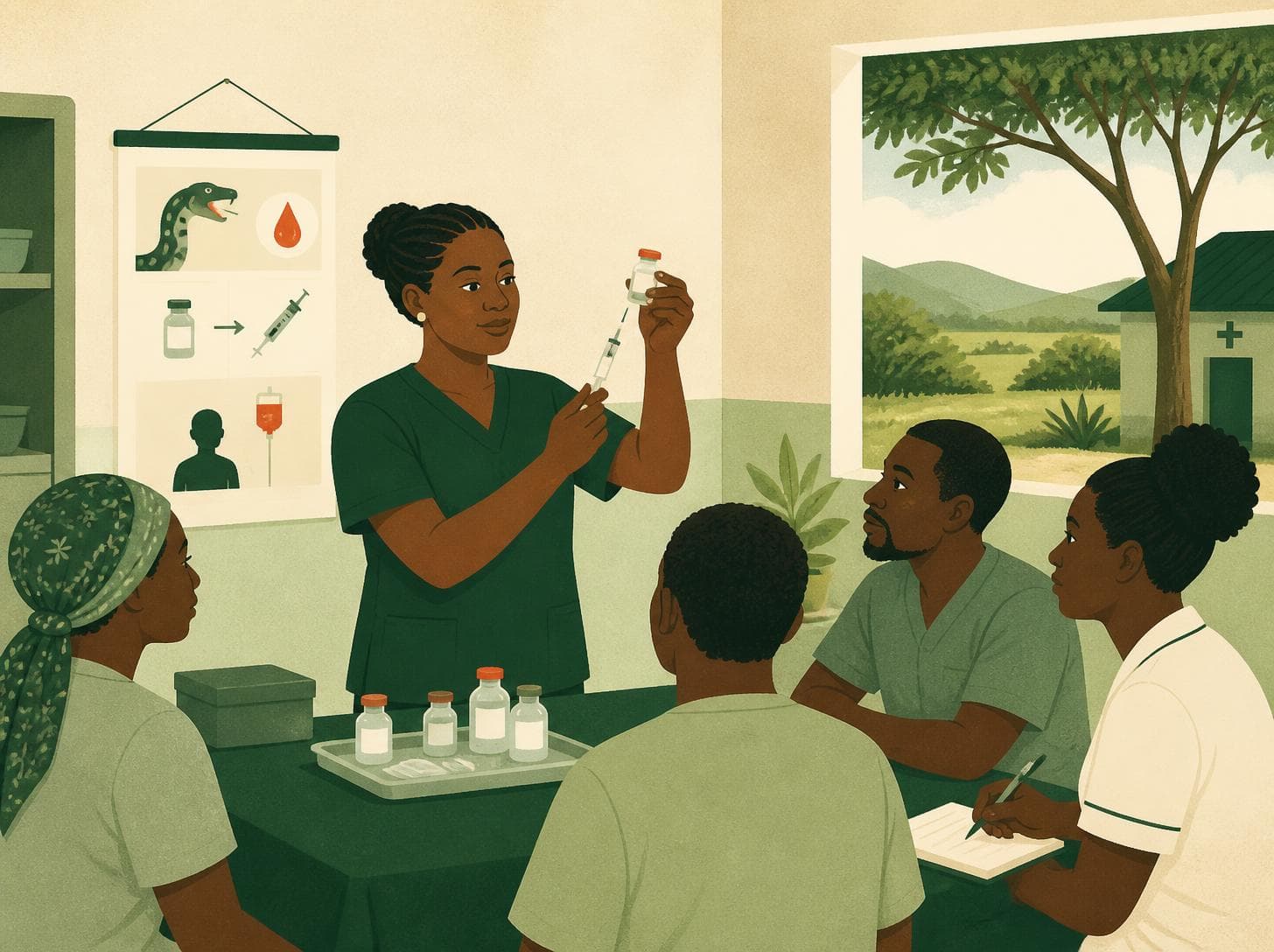
To fill the knowledge gaps among healthcare personnel on current modalities in the prevention and management of snakebite envenomation while entrenching professionalism, transparency and honesty.
Research
To provide coherent answers to the clinical, epidemiological, and laboratory questions arising from snakebite envenomation and associated complications.
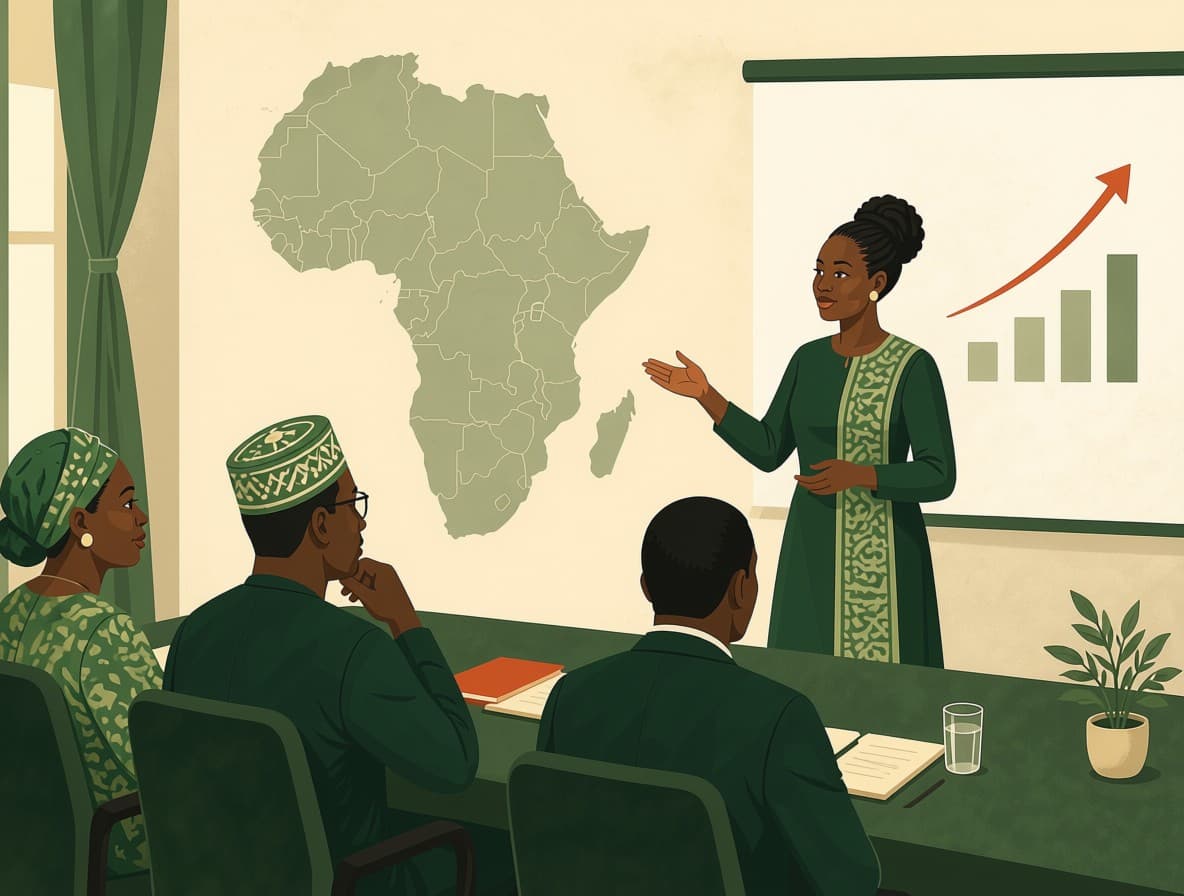
Advocacy
Advocate for snakebite-related policy development, reviews and implementation towards coordinated multi-sectoral responses to the physical, social and economic challenges posed by snakebite envenoming.
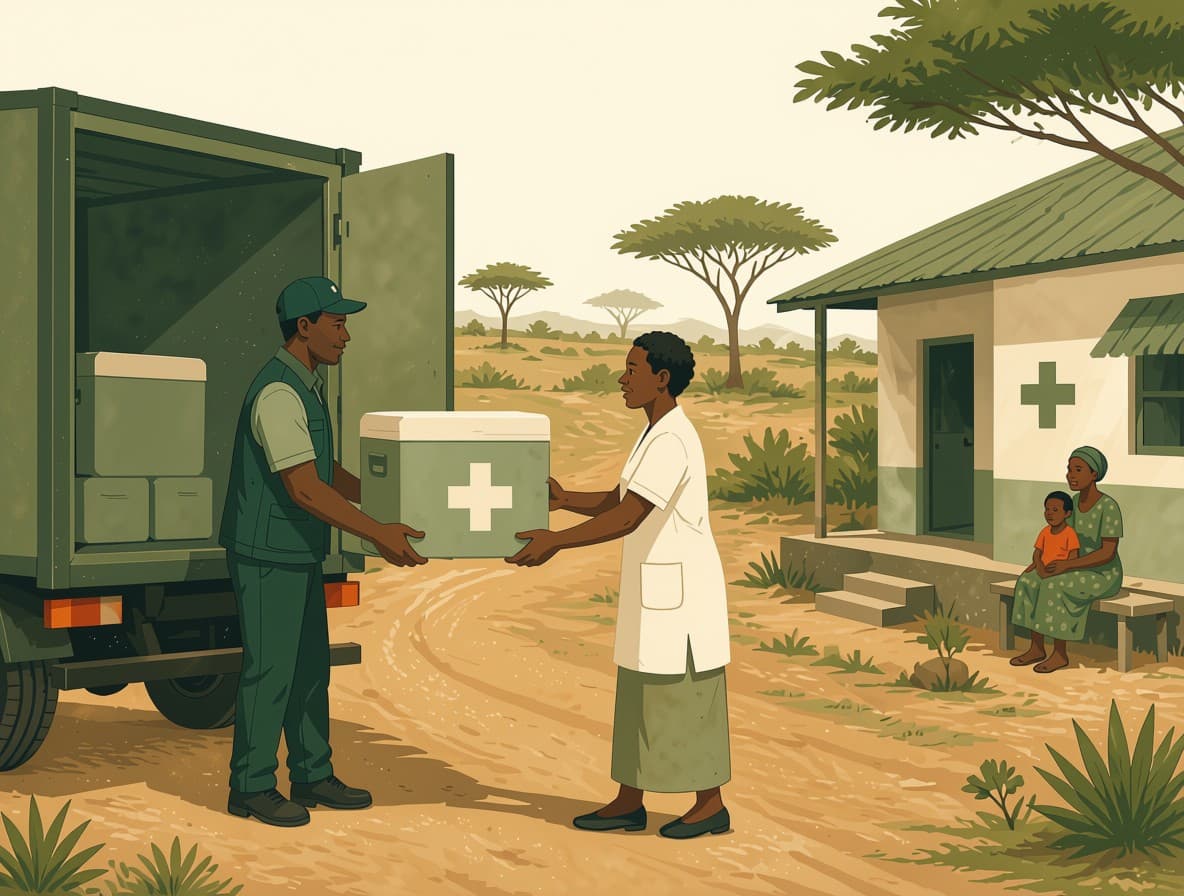
Antivenom Access & Supply
Ensure prompt and regular supply of qualitative anti-snake venom for free or at a highly subsidized rate to patients while sustaining engagements across various organizations towards local production of anti-snake venom in the region.
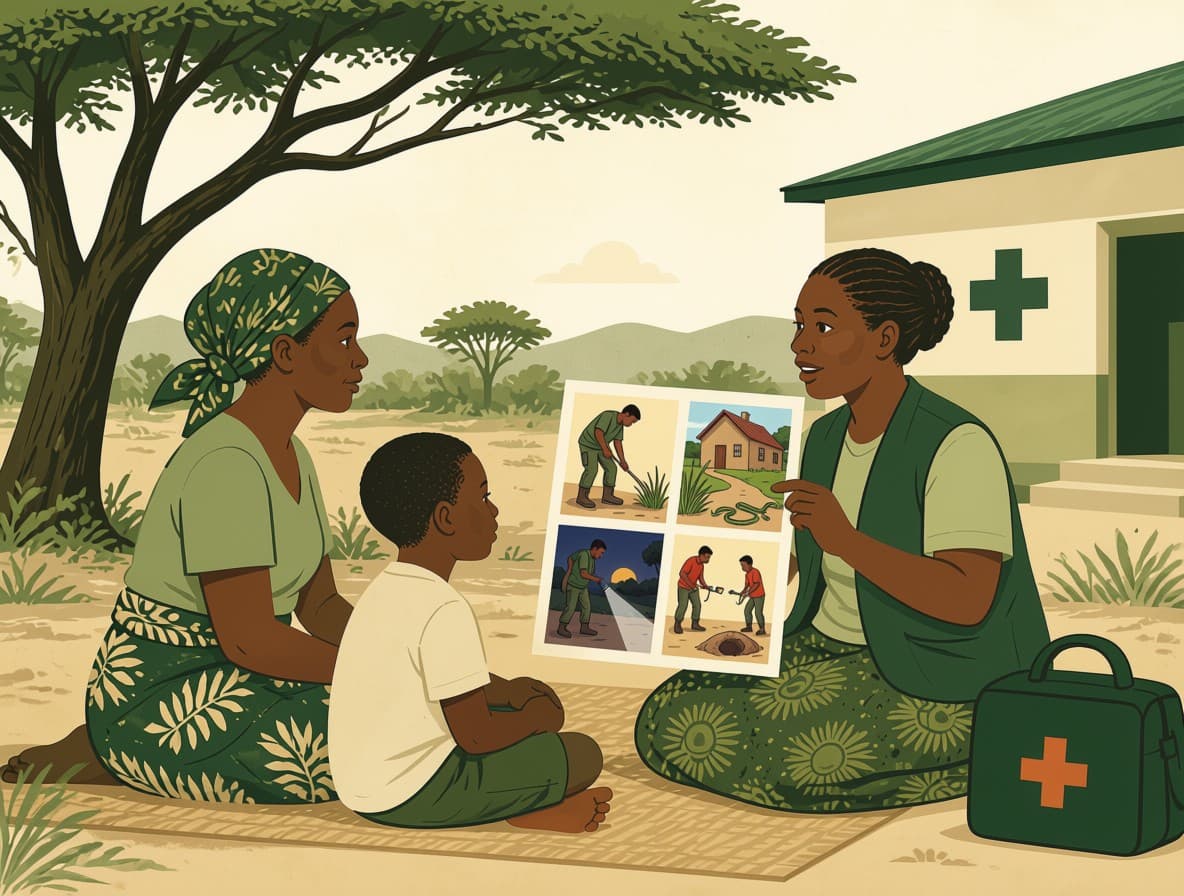
Community Engagement
To bring to the consciousness of rural and urban communities the multi-faceted challenges posed by snakebite envenomation to victims and their immediate families.
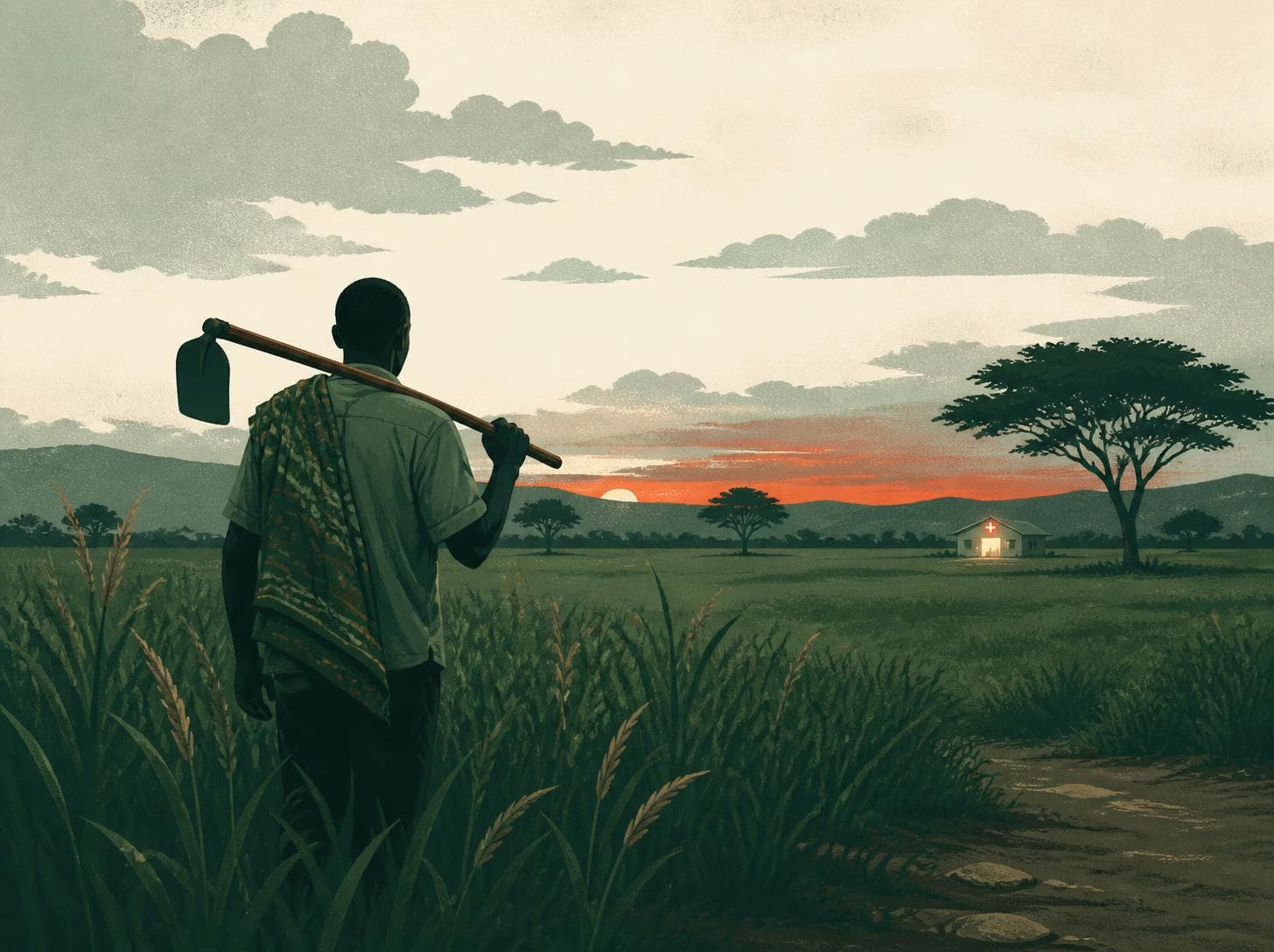
A crisis hiding in plain sight
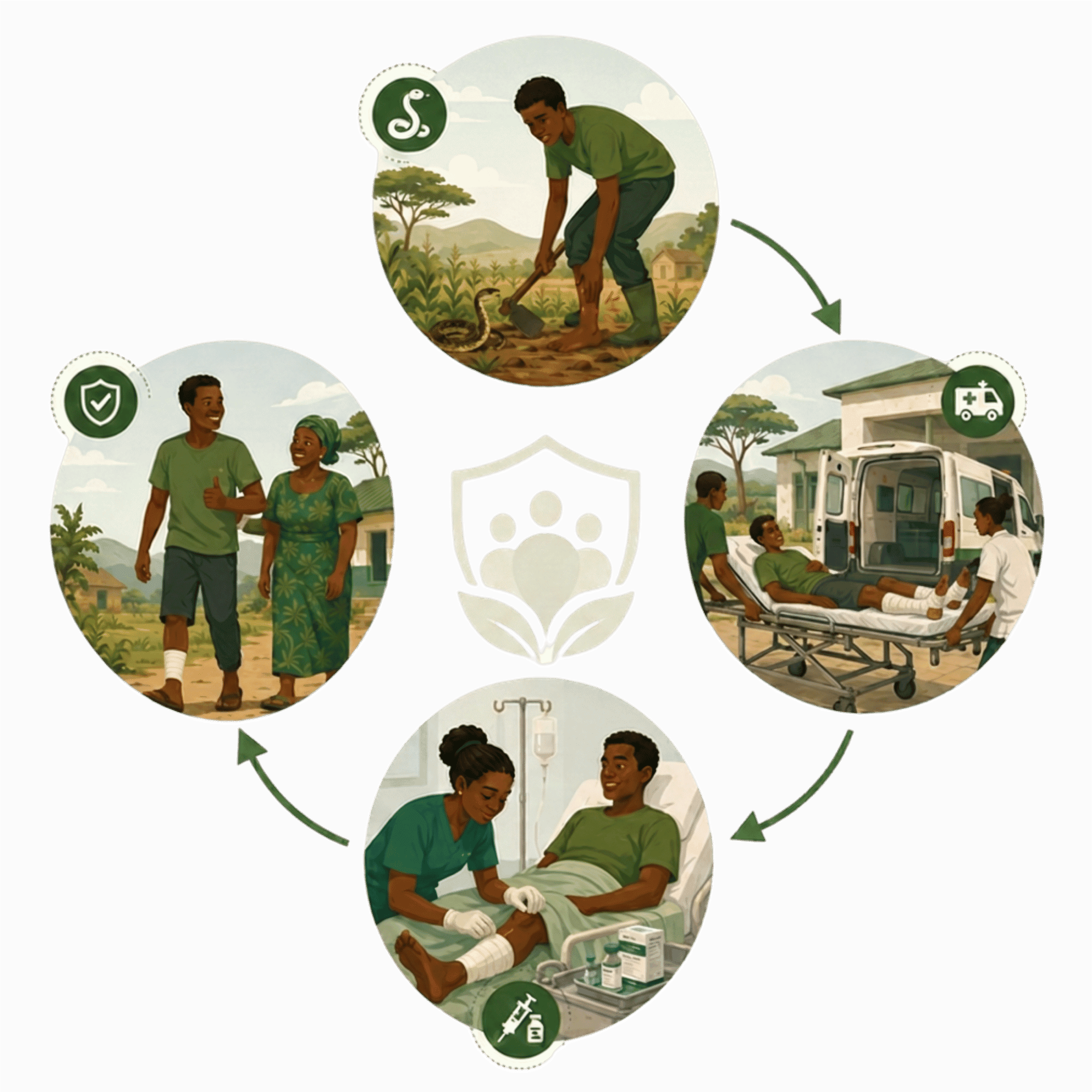
The people most affected are farmers, herders, hunters, women, and children in rural communities furthest from care. When treatment is delayed, a survivable bite can become an amputation, a lifelong disability, a trauma that never fully heals, or a family pushed into poverty.
None of that is inevitable. With earlier awareness, trained health workers, and antivenoms that reach rural clinics in time, most of these outcomes are preventable.
What our work builds, bite by bite
No single organization solves this alone
Snakebite envenoming sits at the intersection of health, policy, and rural livelihoods. We build partnerships across all three — and welcome organizations ready to join us.
Your role in ending a preventable crisis
Partner with us
If snakebite prevention and care is part of your work, or simply a cause close to your heart, we'd welcome the conversation. Get in touch to explore how we might collaborate.
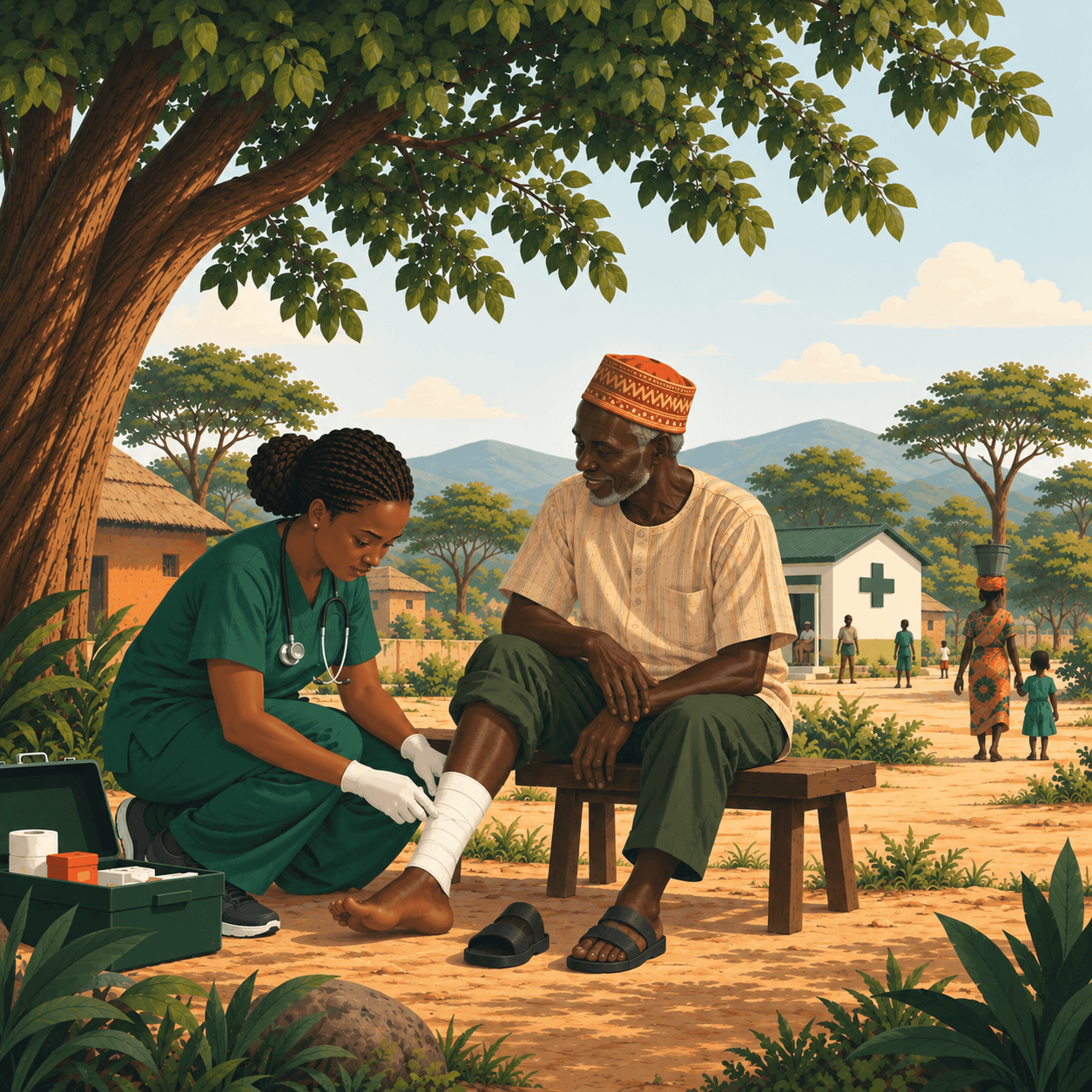
Let's talk
Clinician, researcher, policymaker, student, donor, or community partner — if you're working toward a future without preventable snakebite deaths, we want to hear from you.